 By
By Acupressure is a time-tested healing technique that uses gentle finger pressure on specific points of the body to promote relaxation, relieve pain, and support overall health. Rooted in traditional Eastern healing systems, it offers a drug-free, non-invasive way to restore balance and improve daily well-being.
What Is Acupressure?
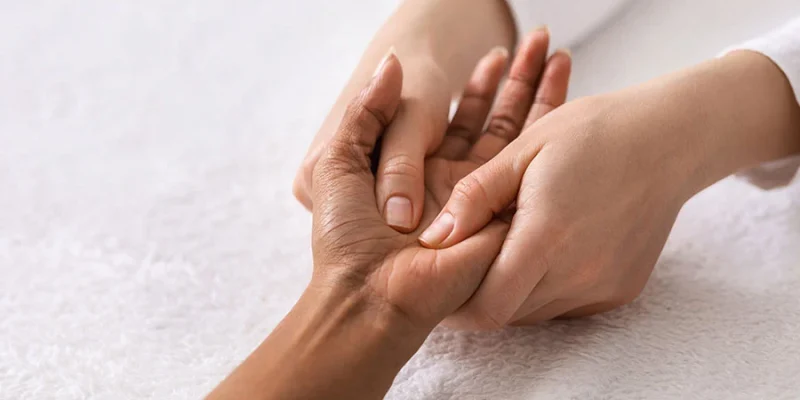
Acupressure is based on the same principles as acupuncture, but instead of needles, it relies on hands, fingers, thumbs, or simple tools. The practice focuses on stimulating specific points along the body’s energy pathways, often referred to as meridians.
According to traditional theory, when energy flow is blocked or unbalanced, discomfort and illness may occur. Applying pressure to targeted points helps encourage natural healing responses and restore harmony within the body.
How Acupressure Works
Acupressure works by activating pressure points that influence nerves, muscles, and connective tissues. This stimulation may:
-
Improve blood circulation
-
Encourage the release of natural pain-relieving chemicals
-
Reduce muscle tension
-
Calm the nervous system
From a modern perspective, acupressure supports the body’s self-regulation mechanisms, helping it respond better to stress and physical strain.
Key Benefits of Acupressure
Regular acupressure practice offers a wide range of benefits, both physical and mental.
Common benefits include:
-
Pain relief for headaches, back pain, and joint discomfort
-
Stress and anxiety reduction through nervous system relaxation
-
Improved sleep quality by calming the mind and body
-
Digestive support, including relief from nausea and bloating
-
Enhanced energy levels and reduced fatigue
Because it is gentle and adaptable, acupressure can be practiced by people of all ages.
Common Acupressure Points and Their Uses
Understanding a few key acupressure points can make the practice more accessible for daily self-care.
LI4 (Hegu)
-
Located between the thumb and index finger
-
Commonly used for headaches, facial pain, and stress relief
PC6 (Neiguan)
-
Found on the inner forearm, about three finger-widths from the wrist
-
Helps with nausea, anxiety, and motion sickness
ST36 (Zusanli)
-
Located below the knee, on the outer side of the leg
-
Supports digestion, immunity, and overall vitality
LV3 (Taichong)
-
Found on the top of the foot between the first and second toes
-
Used to ease tension, irritability, and emotional stress
How to Practice Acupressure Safely
Acupressure is generally safe when done correctly, but mindful practice is important.
Basic guidelines to follow:
-
Apply firm but comfortable pressure, never sharp pain
-
Breathe slowly and deeply while holding a point
-
Hold each point for 30 seconds to 2 minutes
-
Avoid injured, inflamed, or infected areas
-
Stop if you feel dizzy or uncomfortable
Consistency matters more than intensity, especially for beginners.
Acupressure vs. Acupuncture
Although closely related, acupressure and acupuncture differ in their methods.
-
Acupressure uses manual pressure and can be self-applied
-
Acupuncture involves needles and must be performed by a trained professional
Both aim to support balance and healing, but acupressure is often preferred for home use due to its simplicity.
Who Can Benefit from Acupressure?
Acupressure can benefit a wide range of individuals, including:
-
People managing chronic stress
-
Office workers with neck and shoulder tension
-
Individuals seeking natural pain management
-
Those looking for complementary wellness practices
However, it should not replace medical care for serious or persistent conditions.
FAQs
1. How long does it take for acupressure to show results?
Some people feel relief immediately, while others notice gradual improvement with regular practice.
2. Can acupressure be done every day?
Yes, gentle acupressure can be practiced daily as part of a wellness routine.
3. Is acupressure safe during pregnancy?
Certain points should be avoided during pregnancy, so professional guidance is recommended.
4. Do I need special tools for acupressure?
No tools are required; fingers and thumbs are usually sufficient.
5. Can acupressure help with emotional health?
Yes, many people use it to reduce anxiety, calm the mind, and improve mood.
6. Is acupressure scientifically proven?
Research suggests benefits for pain, stress, and nausea, though results vary by individual.
7. Can children use acupressure?
With gentle pressure and proper guidance, acupressure can be suitable for children.