 By
By Weight loss rarely follows a straight, predictable line. Many people experience an initial drop in weight, followed by a frustrating period where progress seems to stop entirely. This phase, known as a weight loss plateau, is common, normal, and—most importantly—fixable with the right approach.
Understanding why plateaus happen and how to overcome them can help you move forward without resorting to extreme or unhealthy methods.
What Is a Weight Loss Plateau?
A weight loss plateau occurs when your body weight remains unchanged for several weeks despite continued efforts with diet and exercise. While it may feel like failure, it’s actually your body adapting to changes in calorie intake, activity levels, and body composition.
Common Causes of Weight Loss Plateaus
Metabolic Adaptation
As you lose weight, your body requires fewer calories to function. This adaptive metabolism slows energy expenditure, making continued weight loss harder even if your habits haven’t changed.
Loss of Muscle Mass
Rapid weight loss or insufficient protein intake can lead to muscle loss. Since muscle burns more calories than fat, reduced muscle mass lowers your resting metabolic rate.
Calorie Creep
Over time, portion sizes can gradually increase, or small snacks may go untracked. These extra calories often go unnoticed but can fully offset a calorie deficit.
Reduced Daily Movement
When dieting, people often move less subconsciously. Fewer steps, less fidgeting, and lower overall energy can significantly impact calorie burn.
Hormonal Changes
Weight loss affects hormones that regulate hunger and fullness. Increased ghrelin (hunger hormone) and decreased leptin (satiety hormone) can make it harder to maintain a deficit.
Effective Solutions to Break a Weight Loss Plateau
Reassess Calorie Intake
Instead of guessing, take time to accurately track food intake for a week. Adjust calories based on your current body weight and activity level.
Helpful tips:
-
Weigh portions instead of estimating
-
Track oils, sauces, and drinks
-
Focus on nutrient-dense foods
Increase Protein Consumption
Protein helps preserve lean muscle and keeps you fuller longer.
Aim for:
-
Lean meats, eggs, fish
-
Greek yogurt, legumes, tofu
-
Protein evenly spread across meals
Add Strength Training
Resistance training signals your body to maintain or build muscle, which supports metabolism.
Benefits include:
-
Higher resting calorie burn
-
Improved body composition
-
Better long-term fat loss
Change Exercise Intensity
Doing the same workout repeatedly can reduce its effectiveness. Introducing new challenges forces adaptation.
Options to try:
-
High-intensity interval training (HIIT)
-
Heavier weights with fewer reps
-
New activities like swimming or cycling
Prioritize Sleep and Stress Management
Chronic stress and poor sleep increase cortisol, a hormone linked to fat retention and increased appetite.
Improve recovery by:
-
Sleeping 7–9 hours nightly
-
Practicing relaxation techniques
-
Scheduling rest days
Take Strategic Diet Breaks
Short, controlled breaks at maintenance calories can help restore hormonal balance and mental focus without derailing progress.
How Long Should a Plateau Last?
A true plateau typically lasts 3–6 weeks. If weight remains unchanged beyond that despite consistent habits, it’s a sign that adjustments are needed—not that weight loss is impossible.
When to Focus Beyond the Scale
The scale doesn’t always reflect progress. During plateaus, you may still experience positive changes such as:
-
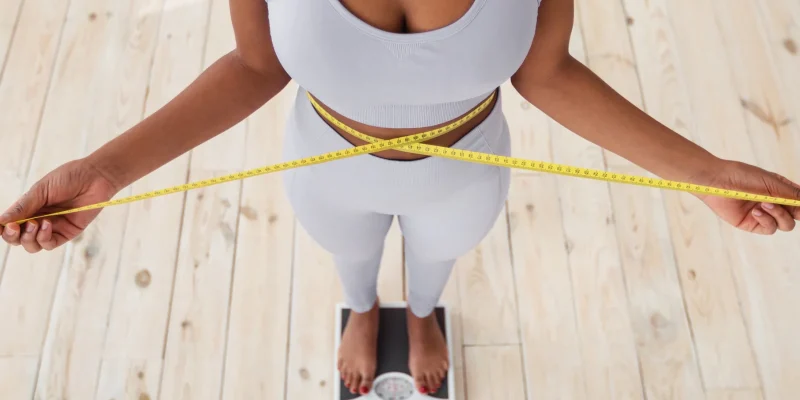
Reduced waist or hip measurements
-
Improved strength or endurance
-
Better energy levels and mood
Tracking multiple indicators provides a more complete picture of success.
FAQs
Why do weight loss plateaus happen even when I eat less?
Eating too little can slow metabolism and increase muscle loss, making fat loss less efficient over time.
Can drinking more water help break a plateau?
Proper hydration supports metabolism and appetite control, but it works best alongside dietary and activity adjustments.
Should I cut carbs to get past a plateau?
Reducing refined carbs can help some people, but eliminating carbs entirely isn’t necessary for most and may reduce workout performance.
How do I know if I’m actually in a plateau?
If your weight hasn’t changed for at least three weeks despite consistent habits, you’re likely experiencing a plateau.
Is it normal to hit multiple plateaus during weight loss?
Yes, especially during long-term weight loss. Each plateau reflects your body adapting to a new weight.
Can strength training cause a temporary plateau?
Yes. Muscle gain can offset fat loss on the scale, even though body composition is improving.
Should I stop weighing myself during a plateau?
Not necessarily, but pairing weigh-ins with measurements, progress photos, and performance tracking can reduce frustration.