 By
By You can train consistently, eat “clean,” and still feel stuck. In most cases, the problem isn’t effort — it’s small but critical workout mistakes that quietly sabotage results. These errors waste time, drain motivation, and slow muscle growth or fat loss without you realizing it.
Below are the most common gym workout mistakes and how to fix them so your progress finally matches your effort.
1. Lifting Too Heavy With Poor Form
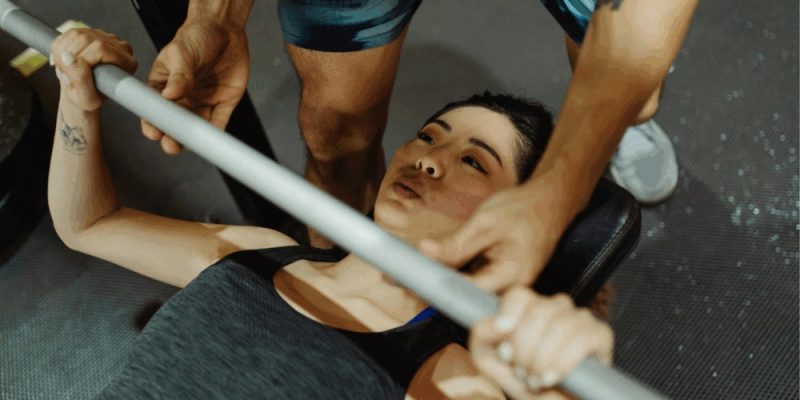
One of the fastest ways to stall progress is chasing heavy weights at the expense of proper form. Momentum, half reps, and sloppy technique reduce muscle activation and increase injury risk.
Why it slows progress
-
Target muscles don’t get enough tension
-
Supporting muscles take over
-
Injury forces long breaks from training
Fix it
-
Lower the weight and control each rep
-
Focus on full range of motion
-
Prioritize mind-muscle connection over ego lifting
2. Skipping Warm-Ups and Mobility Work
Jumping straight into heavy sets may save time, but it costs you in performance and longevity.
Common issues
-
Tight joints reduce strength output
-
Cold muscles fatigue faster
-
Higher risk of strains and pulls
What to do instead
-
5–10 minutes of light cardio
-
Dynamic stretches for the muscles you’ll train
-
Warm-up sets before working weights
3. Training Without a Structured Plan
Random workouts feel productive but often lead nowhere.
Signs you’re winging it
-
No tracking of weights or reps
-
Inconsistent exercise selection
-
No clear progression strategy
Better approach
-
Follow a structured split (push/pull/legs, upper/lower, etc.)
-
Track lifts weekly
-
Apply progressive overload intentionally
4. Overtraining and Ignoring Recovery
More workouts don’t always mean better results. Muscles grow during recovery, not during the workout itself.
Symptoms of overtraining
-
Constant soreness
-
Poor sleep
-
Decreasing strength
-
Low motivation
Recovery essentials
-
At least 1–2 rest days per week
-
Quality sleep (7–9 hours)
-
Deload weeks every 6–8 weeks
5. Not Eating Enough (or Eating the Wrong Way)
Training hard without proper nutrition is like driving with an empty tank.
Common nutrition mistakes
-
Too little protein
-
Severe calorie restriction
-
Inconsistent meal timing
Simple fixes
-
Eat enough calories to match your goal
-
Prioritize protein at every meal
-
Fuel workouts with carbs, not just caffeine
6. Rushing Through Reps and Rest Periods
Speed lifting might feel intense, but it limits muscle growth.
Why rushing hurts gains
-
Less time under tension
-
Reduced strength output
-
Incomplete recovery between sets
Train smarter
-
Control tempo on each rep
-
Rest 60–90 seconds for hypertrophy
-
Rest 2–3 minutes for strength sets
7. Inconsistent Training Habits
Consistency beats intensity every time.
What inconsistency looks like
-
Skipping workouts frequently
-
Changing programs every week
-
Training only when “motivated”
How to stay consistent
-
Stick to one program for at least 8–12 weeks
-
Schedule workouts like appointments
-
Focus on long-term habits, not short-term motivation
8. Ignoring Weak Points and Imbalances
Avoiding weak muscles feels comfortable but limits overall growth.
Examples
-
Skipping leg day
-
Neglecting core work
-
Avoiding mobility or stability exercises
Solution
-
Train weak areas first in your workout
-
Add accessory movements
-
Balance pushing and pulling exercises
9. Comparing Your Progress to Others
Social media physiques and gym comparisons can kill motivation fast.
The reality
-
Genetics vary
-
Experience levels differ
-
Many physiques online aren’t natural or sustainable
Better mindset
-
Track your own strength, endurance, and body composition
-
Celebrate small improvements
-
Focus on becoming better than your past self
Final Thoughts
Most gym plateaus aren’t caused by laziness — they’re caused by avoidable mistakes. Fixing form, following a plan, eating properly, and respecting recovery can unlock progress you’ve been chasing for months.
Train with intention, recover with discipline, and stay consistent. Results follow.
Frequently Asked Questions (FAQs)
1. How long should I follow one workout program before changing it?
At least 8–12 weeks to allow proper adaptation and measurable progress.
2. Is soreness a good indicator of an effective workout?
No. Progress is measured by strength, performance, and consistency — not soreness.
3. Can beginners make progress without supplements?
Yes. Nutrition, sleep, and proper training matter far more than supplements.
4. How do I know if I’m overtraining?
Persistent fatigue, declining performance, poor sleep, and loss of motivation are key signs.
5. Should I train every muscle group equally?
Yes, balanced training helps prevent injuries and improves overall aesthetics and strength.
6. How important is rest time between sets?
Very important. Rest directly affects strength output and muscle growth.
7. Why am I working out regularly but not seeing results?
The most common reasons are poor nutrition, lack of progressive overload, inconsistent training, or inadequate recovery.