Exercise

Exercise: A Practical Guide to Moving Better, Feeling Stronger, and Living Healthier

Exercise is more than a fitness trend or a New Year’s resolution. It is a foundational habit that supports physical strength, mental clarity, emotional balance, and long-term health. Whether your goal is weight management, stress relief, or simply feeling more energetic during the day, regular physical activity plays a central role.

What Is Exercise?

Exercise refers to planned, structured physical activity performed to improve or maintain one or more aspects of health and fitness. Unlike general movement (such as walking around the house), exercise is intentional and often repeated over time to achieve specific outcomes like strength, endurance, or flexibility.

At its core, exercise challenges the body to adapt. Muscles grow stronger, the heart becomes more efficient, and the brain benefits from improved blood flow and chemical balance.

Why Exercise Is Essential for Overall Health

Regular exercise supports nearly every system in the body. Its benefits extend far beyond physical appearance.

Key health advantages include:

  • Improved heart and lung function

  • Stronger muscles and bones

  • Better blood sugar regulation

  • Reduced risk of chronic diseases

  • Enhanced mood and stress control

  • Improved sleep quality

Over time, these effects compound, helping people stay active and independent as they age.

Main Types of Exercise

Different forms of exercise serve different purposes. A balanced routine usually includes more than one type.

1. Aerobic (Cardio) Exercise

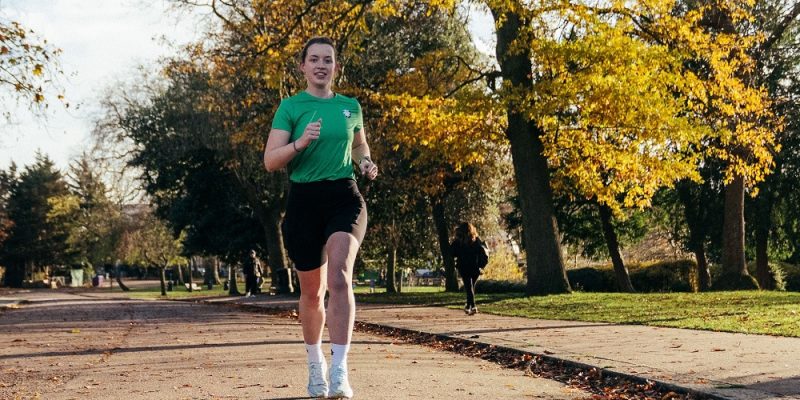
Aerobic exercise raises the heart rate and keeps it elevated for a sustained period. It strengthens the heart, improves lung capacity, and boosts stamina.

Common examples:

  • Brisk walking

  • Running or jogging

  • Cycling

  • Swimming

  • Dancing

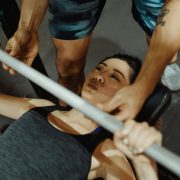
2. Strength Training

Strength training focuses on building muscle and improving bone density by working against resistance.

Benefits include:

  • Increased muscle mass

  • Stronger bones and joints

  • Faster metabolism

  • Improved posture and balance

This type of exercise can be done using body weight, resistance bands, free weights, or machines.

3. Flexibility and Mobility Exercises

Flexibility exercises help maintain the range of motion in joints and reduce muscle stiffness.

Popular options include:

  • Static stretching

  • Yoga

  • Dynamic mobility drills

They are especially useful for injury prevention and recovery.

4. Balance and Stability Training

Balance exercises improve coordination and reduce the risk of falls, particularly as people get older.

Examples:

  • Single-leg stands

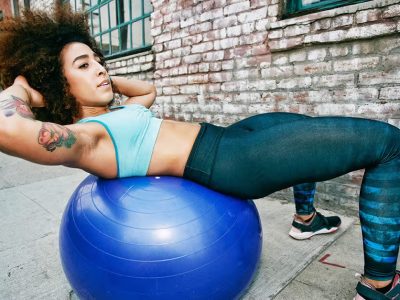
  • Stability ball exercises

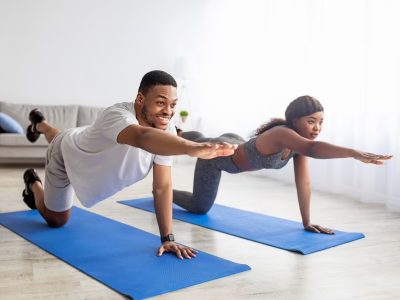
  • Core-focused movements

How Much Exercise Do You Really Need?

The amount of exercise needed depends on goals, lifestyle, and health status, but general guidelines suggest:

  • At least 150 minutes of moderate-intensity aerobic activity per week

  • Strength training at least two days per week

  • Regular stretching or mobility work for joint health

Even small amounts matter. Consistency is more important than intensity when building long-term habits.

How to Start an Exercise Routine (Without Burning Out)

Starting simple makes exercise sustainable. Many people quit because they try to do too much too soon.

Practical tips for beginners:

  • Start with short sessions (10–20 minutes)

  • Choose activities you enjoy

  • Focus on form before intensity

  • Schedule workouts like appointments

  • Allow rest days for recovery

Progress happens gradually. The goal is steady improvement, not perfection.

Exercise and Mental Well-Being

Exercise has a powerful effect on the mind. Physical activity stimulates the release of chemicals that support mood, focus, and emotional resilience.

Mental benefits include:

  • Reduced stress and anxiety

  • Improved concentration and memory

  • Better emotional regulation

  • Increased confidence and motivation

Many people find that regular exercise becomes a reliable tool for managing daily stress.

Common Mistakes to Avoid

Even well-intentioned routines can fall short if certain mistakes are repeated.

Watch out for:

  • Skipping warm-ups and cool-downs

  • Ignoring pain or early injury signs

  • Exercising inconsistently

  • Overtraining without enough rest

  • Comparing progress to others

Listening to your body is just as important as pushing it.

Making Exercise a Lifelong Habit

The most effective exercise plan is one you can maintain over time. Rather than chasing quick results, focus on building a routine that fits your lifestyle.

Helpful mindset shifts:

  • View exercise as self-care, not punishment

  • Celebrate small wins

  • Adjust routines as life changes

  • Stay flexible with goals

Exercise evolves with you, and that adaptability is what makes it sustainable.

Frequently Asked Questions (FAQ)

1. Is it better to exercise in the morning or evening?

The best time is when you can stay consistent. Morning workouts can boost energy, while evening sessions may improve performance for some people.

2. Can I exercise every day?

Yes, as long as you vary intensity and include recovery-focused activities like stretching or light movement.

3. Do I need equipment to get fit?

No. Bodyweight exercises, walking, and basic mobility routines can be highly effective without equipment.

4. How long does it take to see results from exercise?

Some benefits, like improved mood and energy, appear within weeks. Physical changes typically take several weeks to months with consistency.

5. Is exercise safe for older adults?

Yes, and it is strongly recommended. Strength, balance, and mobility exercises are especially beneficial when done appropriately.

6. What should I eat before exercising?

A light meal or snack with carbohydrates and some protein is usually sufficient, depending on workout intensity and duration.

7. What if I miss workouts?

Missing sessions is normal. The key is returning to your routine without guilt and focusing on long-term consistency.

What is your reaction?

Excited
0
Happy
0
In Love
0
Not Sure
0
Silly
0

You may also like

More in:Exercise