 By
By Exercise is more than a routine; it is a cornerstone of human health, performance, and longevity. Integrating exercise into daily life is scientifically proven to enhance cardiovascular health, improve mental resilience, regulate metabolism, and prevent chronic diseases. This article delves into the multidimensional aspects of exercise, exploring its physiological, psychological, and lifestyle impacts, while offering evidence-based strategies for optimising results.
Understanding Exercise: Definition and Scope
Exercise refers to structured, repetitive physical activity intended to improve or maintain physical fitness, health, and well-being. It encompasses a broad spectrum of activities, from resistance training and high-intensity interval training (HIIT) to endurance sports and mobility exercises. Key dimensions of exercise include:
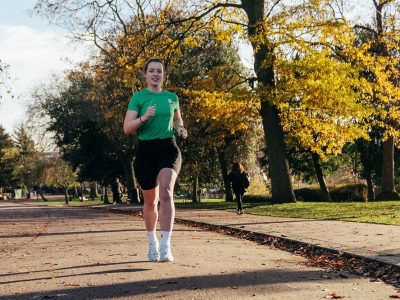
- Aerobic Exercise: Activities like running, swimming, cycling that enhance cardiovascular endurance.
- Anaerobic Exercise: Short bursts of intense effort, such as sprinting or weightlifting, targeting muscle strength and power.
- Flexibility and Mobility Work: Stretching, yoga, and dynamic movements that maintain joint range of motion.
- Balance and Stability Training: Exercises improving coordination, proprioception, and fall prevention, particularly important in older adults.
Understanding the diversity of exercise modalities allows individuals to design holistic programmes that cater to personal goals, whether targeting weight management, strength building, or overall health optimization.
Physiological Benefits of Regular Exercise
Cardiovascular Health
Regular exercise enhances cardiac efficiency, lowers resting heart rate, and improves circulation. Engaging in moderate to vigorous physical activity stimulates the heart muscle, increases stroke volume, and strengthens vascular integrity. Studies demonstrate that individuals who maintain consistent aerobic exercise routines have significantly reduced risks of hypertension, atherosclerosis, and coronary artery disease.
Musculoskeletal Strength and Bone Health
Resistance training promotes muscle hypertrophy, tendon resilience, and bone density. Weight-bearing exercises such as squats, lunges, and push-ups stimulate osteoblast activity, reducing the likelihood of osteoporosis, particularly in postmenopausal adults. Improved muscular strength also supports joint stability, decreases injury risk, and enhances functional capacity in daily life.
Metabolic Regulation
Exercise modulates insulin sensitivity, glucose uptake, and lipid metabolism. High-intensity interval training (HIIT) and resistance workouts are particularly effective in enhancing metabolic flexibility, aiding weight management, and lowering the risk of type 2 diabetes. Consistent activity also influences appetite-regulating hormones, helping maintain energy balance.
Immune System Enhancement
Moderate exercise has immunomodulatory effects, enhancing the circulation of immune cells and improving pathogen defense. However, extremely prolonged or intense exercise without adequate recovery may temporarily suppress immunity, emphasizing the importance of periodization and recovery strategies.
Psychological and Cognitive Impacts
Exercise exerts profound effects on mental health, cognitive function, and emotional regulation. Key mechanisms include:
- Neurotransmitter Modulation: Physical activity increases the production of endorphins, dopamine, and serotonin, reducing anxiety and depression.
- Neurogenesis: Aerobic exercise stimulates brain-derived neurotrophic factor (BDNF), promoting neural growth and enhancing memory and learning.
- Stress Resilience: Regular exercise improves hypothalamic-pituitary-adrenal (HPA) axis regulation, enhancing tolerance to physiological and psychological stressors.
- Sleep Quality: Engaging in daytime exercise supports circadian rhythm stability and improves sleep efficiency, critical for overall cognitive and physical recovery.
These psychological benefits are particularly evident in structured exercise programmes, where consistency and intensity are tailored to individual needs.
Designing an Effective Exercise Program
Creating a successful exercise regimen involves strategic planning, balancing intensity, volume, frequency, and recovery.
Goal Setting and Assessment
- Identify Specific Objectives: Weight loss, hypertrophy, endurance, mobility, or mental health.
- Assess Baseline Fitness: Cardiovascular performance, muscular strength, flexibility, and body composition.
- Track Progress: Use measurable markers like VO2 max, one-repetition maximum, or functional movement tests.
Training Principles
- Progressive Overload: Gradually increasing resistance, intensity, or volume to stimulate adaptation.
- Periodization: Structuring cycles of training intensity and volume to prevent plateauing and overtraining.
- Variety: Incorporating multiple exercise modalities to prevent monotony and promote comprehensive fitness.
- Recovery Integration: Scheduling rest days, active recovery, and sleep to enhance adaptation and prevent injury.
Nutritional Synergy
Exercise effectiveness is closely tied to nutrition. Adequate protein intake supports muscle repair, while carbohydrates fuel high-intensity activity. Hydration, micronutrient sufficiency, and timing of meals relative to training sessions significantly influence performance and recovery outcomes.
Advanced Exercise Techniques
High-Intensity Interval Training (HIIT)
HIIT involves short bursts of maximal effort followed by recovery periods. This approach enhances cardiovascular capacity, accelerates fat oxidation, and improves metabolic health in shorter timeframes compared to traditional steady-state exercise.
Functional Training
Functional exercises mimic daily movement patterns, improving strength, stability, and coordination. Examples include kettlebell swings, medicine ball throws, and bodyweight circuits. These exercises optimize performance in real-life scenarios and reduce injury risk.
Mind-Body Integration
Incorporating practices like yoga, Pilates, and tai chi blends physical training with mental focus, enhancing flexibility, core strength, balance, and stress reduction. Mind-body exercises are particularly beneficial for older adults and individuals with mobility limitations.
Overcoming Common Barriers
Many individuals struggle with maintaining consistent exercise routines. Addressing psychological, environmental, and logistical barriers is essential for long-term adherence.
- Time Constraints: Implement short, high-intensity sessions or split workouts across the day.
- Motivational Challenges: Use social support, goal tracking, and rewarding milestones to reinforce adherence.
- Access Limitations: Bodyweight exercises and resistance bands provide effective home-based alternatives.
- Physical Limitations: Consult healthcare professionals to tailor exercises for injuries, chronic conditions, or mobility challenges.
Sustainable exercise practices prioritise consistency over intensity, gradually building habits that integrate seamlessly into daily life.
Special Considerations
- Age-Specific Strategies: Older adults benefit from balance, flexibility, and strength training, while adolescents require diverse physical activities supporting growth and skill development.
- Gender Differences: Hormonal fluctuations may influence exercise performance, recovery, and energy utilisation. Tailoring programmes to these physiological nuances optimizes outcomes.
- Chronic Conditions: Individuals with cardiovascular disease, diabetes, or musculoskeletal disorders require personalised exercise prescriptions under professional guidance.
Real-Life Applications and Lifestyle Integration
Exercise is not confined to gyms or formal classes. Practical approaches include:
- Active Commuting: Walking or cycling to work enhances cardiovascular health.
- Occupational Activity: Incorporating standing desks, walking meetings, and stretching breaks.
- Recreational Sports: Engaging in tennis, swimming, or hiking combines social interaction with physical exertion.
- Home-Based Workouts: Short, structured routines using minimal equipment maintain fitness when schedules are demanding.
By embedding exercise into daily routines, individuals achieve sustainable health improvements and prevent sedentary lifestyle consequences.
Exercise Tracking and Technology
Wearable devices, fitness apps, and heart rate monitors offer actionable insights into training intensity, sleep patterns, and recovery metrics. Evidence-based feedback from these tools can enhance motivation, adherence, and performance outcomes.
Safety and Injury Prevention
- Warm-Up and Cool-Down: Essential for reducing injury risk and promoting circulation.
- Proper Technique: Ensures joint integrity and muscular balance.
- Gradual Progression: Avoids overuse injuries and facilitates adaptation.
- Monitoring Fatigue: Recognising signs of overtraining prevents burnout and chronic injury.
Safety measures are crucial to maintain long-term engagement and maximise benefits.
Conclusion
Exercise is an indispensable tool for physical, cognitive, and emotional health. Its benefits span cardiovascular fitness, metabolic regulation, musculoskeletal strength, mental resilience, and quality of life. Thoughtful programming, consistency, nutritional alignment, and mindful progression ensure that exercise delivers transformative outcomes, elevating overall health and human potential.
FAQ
Q1: How often should adults engage in exercise for optimal health?
Adults are recommended to perform at least 150 minutes of moderate-intensity aerobic exercise or 75 minutes of vigorous-intensity activity weekly, supplemented with two sessions of strength training targeting major muscle groups.
Q2: Can exercise help improve mental health?
Yes, regular exercise significantly reduces symptoms of anxiety and depression, enhances mood, and supports cognitive function through neurotransmitter modulation and increased BDNF production.
Q3: Is HIIT suitable for beginners?
Beginners can perform modified HIIT sessions with lower intensity and shorter intervals, gradually increasing intensity as fitness improves. Professional guidance is recommended to ensure safety.
Q4: How does resistance training impact metabolism?
Resistance training increases lean muscle mass, which elevates resting metabolic rate, enhances glucose uptake, and supports fat loss, contributing to improved metabolic health.
Q5: What role does flexibility training play in overall fitness?
Flexibility exercises maintain joint range of motion, improve posture, reduce muscular tension, and prevent injuries, complementing strength and endurance training.
Q6: Can exercise prevent chronic diseases?
Regular physical activity is associated with lower risks of cardiovascular disease, type 2 diabetes, obesity, osteoporosis, and certain cancers, making it a cornerstone of preventive health strategies.
Q7: How can busy individuals incorporate exercise into daily life?
Time-efficient strategies include short HIIT sessions, active commuting, bodyweight exercises at home, and integrating movement into work routines through walking meetings or standing breaks.
This article presents a comprehensive, evidence-backed perspective on exercise, offering actionable insights for individuals seeking to elevate health, performance, and lifestyle outcomes.